Have you ever stared into your pantry, wondering what to make with that half-bag of pasta and a can of tomatoes? We’ve all been there, facing the dinner dilemma. Finding reliable and delicious meals shouldn’t be a chore.
This guide will help you discover the best features of a great cooking recipes website. You’ll learn how to find what you need quickly, try new dishes with confidence, and make meal planning a breeze. Get ready to transform your kitchen adventures!
Key Takeaways
- Identify essential features of a user-friendly cooking recipes website.
- Learn how to effectively search for recipes based on ingredients or dietary needs.
- Discover how to evaluate the credibility and quality of recipes.
- Understand the benefits of using online recipe communities for inspiration and tips.
- Explore features that help with meal planning and grocery shopping.
Choosing the Right Cooking Recipes Website
Selecting the perfect online spot for your culinary needs is more than just finding a pretty picture. A good cooking recipes website serves as your digital cookbook, offering a vast library of dishes, from quick weeknight meals to impressive holiday feasts. It should be easy to use, allowing you to find exactly what you’re looking for without frustration.
Think of it as your personal sous chef, ready with instructions whenever you need them. The right site can spark creativity and make cooking fun again.
User Experience and Navigation
The first thing you’ll notice about any cooking recipes website is how easy it is to get around. This is known as user experience, or UX. A website with good UX feels intuitive.
You should be able to find the search bar quickly, and clicking on categories should lead you where you expect. Imagine trying to find a specific cake recipe but having to click through pages of appetizer ideas; that’s poor navigation. A well-designed site will have clear menus, logical categories, and a powerful search function.
- Clear Search Functionality: A good website lets you search by dish name, main ingredient, cuisine type, or even dietary restriction.
The search bar is your best friend. When you type “chicken stir-fry,” you want to see relevant results immediately. Some sites offer advanced search filters.
These allow you to narrow down your choices by prep time, calorie count, or even specific allergens. This level of detail saves you time and helps you find recipes that fit your lifestyle and health goals.
- Intuitive Categorization: Recipes should be organized logically. Think about sections like “Breakfast,” “Lunch,” “Dinner,” “Desserts,” “Vegetarian,” “Gluten-Free,” and “Quick Meals.”
When you land on a cooking recipes website, you want to see these categories presented clearly. Clicking on “Desserts” should take you to a page filled with sweet treats, not savory dishes. Good organization means less clicking and more cooking.
It helps you browse even when you’re not sure what you want, sparking new ideas from a well-arranged collection.
Recipe Variety and Quality
The heart of any cooking recipes website lies in its collection of recipes. A truly great site offers a wide range of options to suit every taste, skill level, and occasion. You should find everything from simple three-ingredient wonders to elaborate multi-course meals.
This diversity ensures you’ll always have something new to try.
- Diverse Range of Cuisines and Dish Types: Look for sites that cover global cuisines and offer a mix of main courses, appetizers, sides, and desserts.
Imagine wanting to explore Thai flavors one night and Italian the next. A comprehensive cooking recipes website will have distinct sections for various international cuisines. This broad appeal means you can expand your culinary horizons without leaving your kitchen.
It also caters to different moods and desires, making it a go-to resource for any meal.
- Dietary Needs and Preferences: The best sites cater to common dietary needs like vegetarian, vegan, gluten-free, dairy-free, low-carb, and keto.
In today’s world, many people have specific dietary requirements. A top-tier cooking recipes website will make it easy to filter recipes based on these needs. Instead of sifting through recipes and finding out they contain an ingredient you can’t eat, you can see suitable options right away.
This saves time and reduces the chance of dietary mishaps.
Beyond variety, recipe quality is paramount. Are the instructions clear and easy to follow? Are the ingredient lists accurate?
Do the recipes come with helpful tips or substitution suggestions? High-quality recipes lead to successful cooking experiences and delicious results.
Community and Engagement Features
Many excellent cooking recipes websites go beyond just providing recipes. They foster a sense of community, allowing cooks of all levels to connect, share, and learn from each other. These interactive elements can greatly enhance your cooking journey.
- User Reviews and Ratings: Reading what other cooks thought of a recipe before you try it is invaluable.
When you look at a recipe, see if there are stars or comments from others. Did they find it easy? Were the cooking times accurate?
Did they suggest any tweaks? These real-world experiences are gold. They can alert you to potential issues or suggest improvements, helping you achieve a better outcome.
It’s like getting advice from friends who have already made the dish.
- User-Submitted Recipes and Photos: Some sites allow users to upload their own recipes and pictures of their creations.
Seeing photos of what others have made can be incredibly inspiring. It shows you what the dish looks like in a home kitchen, not just a professional studio. User-submitted recipes also bring a unique authenticity.
They might be family favorites passed down through generations or creative adaptations of popular dishes. This adds another layer of depth to the cooking recipes website.
Having these features means you’re not just following a recipe; you’re part of a larger culinary conversation. You can ask questions, share your successes, and even get help troubleshooting a dish. This makes cooking feel less solitary and more collaborative.
Key Features for a Superior Cooking Experience
Beyond the basics of recipe content and community, several specific features can elevate a cooking recipes website from good to great. These tools are designed to make your life easier in the kitchen and help you become a more confident cook. They address common pain points in meal preparation and execution.
Ingredient Search and Meal Planning Tools
One of the most helpful features on a modern cooking recipes website is the ability to search for recipes based on ingredients you already have. This is a fantastic way to reduce food waste and save money. Instead of buying new items, you can use what’s in your fridge and pantry.
- “What’s in My Fridge” or Ingredient-Based Search: Enter the ingredients you have on hand, and the website suggests recipes you can make.
Let’s say you have chicken breasts, broccoli, and rice. You type these into the ingredient search. The cooking recipes website will then present you with options like “Chicken and Broccoli Stir-fry,” “Baked Chicken with Rice and Broccoli,” or “Chicken Broccoli Casserole.” This feature is incredibly practical for everyday cooking.
Meal planning tools are another significant benefit. These features help you organize your meals for the week, create shopping lists, and even schedule your cooking. This organized approach can prevent last-minute stress and ensure you’re eating healthier, more balanced meals.
- Automated Shopping List Generation: Based on your chosen recipes for the week, the website can compile a complete shopping list.
Imagine planning your meals for Monday through Sunday. Once you select your recipes, the site automatically creates a list of all the ingredients you need. Some advanced tools can even check your pantry inventory if you input what you have.
This saves you from forgetting items at the grocery store and makes shopping trips much more efficient. A study by the USDA found that meal planning can reduce food waste by up to 10% by helping consumers buy only what they need.
Nutritional Information and Dietary Filters
For health-conscious individuals or those managing specific dietary needs, detailed nutritional information is essential. A comprehensive cooking recipes website will provide this data, allowing users to make informed choices about their meals.
- Detailed Nutritional Breakdown: Information such as calories, protein, carbohydrates, fats, and fiber content per serving.
Knowing the nutritional value of a dish is important for many reasons. It helps in managing weight, tracking macronutrients for fitness goals, or simply ensuring a balanced diet. For example, if you’re aiming for a low-carb meal, you can easily scan the nutritional information for recipes and select those that fit your targets.
This transparency empowers users to align their eating habits with their health objectives.
Advanced dietary filters go hand-in-hand with nutritional information. While basic filters like “vegetarian” are common, the best sites offer more granular options. These might include filters for low-sodium, high-protein, or even specific allergen avoidance (e.g., nut-free, soy-free).
- Specific Allergen Filtering: Ability to exclude recipes containing common allergens like peanuts, tree nuts, soy, dairy, eggs, and gluten.
A parent looking for a school-safe lunch recipe needs to avoid allergens their child is sensitive to. A cooking recipes website that offers precise allergen filtering makes this process safe and simple. Instead of manually checking every recipe’s ingredient list, they can rely on the site to present only safe options.
This feature is a lifesaver for individuals and families dealing with food allergies.
Visual Appeal and Instructional Aids
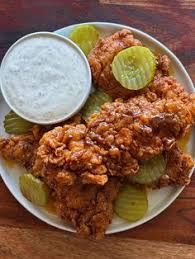
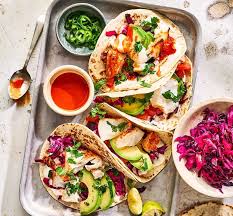
Cooking can be a visual art, and a good cooking recipes website reflects this. High-quality images and videos can make recipes more appealing and easier to understand. They set expectations for the final dish and guide the cook through complex steps.
- High-Quality Recipe Photos: Clear, appetizing photos of the finished dish are crucial for inspiration and to set expectations.
A vibrant, well-lit photo of a finished dish can instantly make you want to cook it. It showcases the textures, colors, and presentation of the food. This visual cue is often the first thing that attracts a user to a recipe.
Without good photos, even the most delicious recipe might be overlooked. Seeing the final product helps home cooks visualize success.
Instructional videos are becoming increasingly popular. Watching a chef or home cook demonstrate a technique can be far more effective than reading about it. This is especially true for tasks that involve specific knife skills, dough handling, or intricate plating.
- Step-by-Step Video Tutorials: Visual guides showing the entire cooking process or specific challenging steps.
For complex recipes, like making homemade pasta or a delicate pastry, a video tutorial is invaluable. You can pause, rewind, and rewatch parts of the video as needed. This removes guesswork and provides clear demonstrations of what to do at each stage.
Many users find that watching a process makes it much less intimidating to attempt for the first time. A culinary school instructor might note that visual learning, especially for physical skills, is highly effective for skill acquisition.
Finding Reliable Recipes and Information
Not all recipes you find online are created equal. It’s important to develop a sense of discernment to find reliable recipes that will yield tasty results. A trustworthy cooking recipes website will often have indicators of quality and accuracy.
Evaluating Recipe Credibility
When you’re looking for a recipe, especially for a special occasion, you want to be sure it’s going to work. Several factors contribute to the credibility of a recipe and the website hosting it.
- Author’s Expertise and Background: Does the recipe come from a known chef, a reputable food blogger, or a well-established culinary organization?
A recipe developed by someone with a proven track record in the food industry is likely to be well-tested and reliable. Look for an “About Us” page on the cooking recipes website or author bios. Information about their culinary training, experience, or passion for food can give you confidence.
For instance, a recipe from a professional pastry chef for a complex dessert will often be more precise than a random submission.
- Recipe Testing and Feedback Loops: Reputable sites often mention if recipes are tested. User reviews and comments also serve as a form of testing.
A good cooking recipes website will often state that its recipes are tested in their own kitchens. This is a sign of quality assurance. Furthermore, the feedback loop provided by user comments is crucial.
If many people report issues with a recipe, it suggests a problem that might not have been caught in initial testing. This collective experience helps refine recipes over time.
Understanding Ingredient Measurements and Techniques
Precision in cooking, especially in baking, often comes down to accurate measurements and correct techniques. A good recipe will be clear about both.
- Clear and Consistent Measurement Units: Recipes should use standard units (cups, grams, milliliters, teaspoons) and be consistent throughout.
Using grams for flour in one recipe and cups in another for the same ingredient can be confusing. A reliable cooking recipes website will stick to one system or clearly define conversions. For baking, where ratios are critical, precise measurements are non-negotiable.
For example, if a recipe calls for 250 grams of flour, using a scale is far more accurate than scooping with a measuring cup, which can vary significantly.
Techniques are equally important. A recipe might call for “sautéing” vegetables, but the ideal temperature and time for doing so can vary. Good recipes will offer brief explanations of techniques or link to further resources.
- Explanation of Cooking Techniques: Brief definitions or links to tutorials for less common cooking methods.
If a recipe mentions “braising” or “blanching,” and you’re unfamiliar with the term, a helpful cooking recipes website will provide a quick explanation. This ensures you understand the process correctly, leading to a better final dish. For instance, understanding that “braising” involves searing food and then simmering it slowly in liquid is key to achieving tender results for tougher cuts of meat.
The reliability of a cooking recipes website often hinges on how well it communicates these essential details. A site that prioritizes clarity in measurements and technique guidance is a site you can trust.
Utilizing Online Recipe Communities
The digital age has transformed cooking from a solitary activity into a connected experience. Online communities associated with cooking recipes websites offer a wealth of shared knowledge and inspiration that goes beyond just the recipes themselves.
Connecting with Other Cooks
These communities are spaces where home cooks, aspiring chefs, and even professionals can interact. They provide a platform for sharing experiences, asking questions, and getting support.
- Forums and Discussion Boards: Places where users can ask cooking questions, share tips, and discuss specific recipes or ingredients.
Imagine you’re trying a challenging recipe and get stuck. Instead of giving up, you can post your question in a community forum. Someone with experience might offer a solution, explain a tricky step, or suggest an alternative.
These forums are a living library of cooking knowledge, built by people who are passionate about food. A user might ask, “My meringue is always weeping. What am I doing wrong?” and receive advice on humidity or egg white preparation.
- Social Sharing and Inspiration Feeds: Many sites integrate with social media or have their own feeds where users share their cooking successes.
Seeing photos of what others have made can be a huge motivator. When you’re browsing a cooking recipes website, a feed of user-submitted photos of dishes made from those recipes can inspire you to try something new. It also allows for quick sharing of your own culinary achievements, fostering a sense of accomplishment and connection.
Learning from Shared Experiences
The collective wisdom of a community is a powerful tool for any home cook. Users often share practical tips, substitutions, and insights that aren’t always in the official recipe.
- User Tips and Modifications: Comments sections often reveal clever substitutions, variations, or advice on how to improve a recipe.
One of the most valuable aspects of online communities is the “comments” section under each recipe. Here, users discuss their experiences. Someone might mention, “I found the sauce a bit too thin, so I simmered it for an extra 10 minutes,” or “I didn’t have fresh herbs, so I used dried ones, and it still turned out great.” These small pieces of advice can make a big difference in your cooking.
These shared experiences can also help you understand ingredient seasonality or identify common pitfalls. For instance, a comment might warn that a particular fruit is not in season and will not be as flavorful, suggesting a different fruit as a substitute for a pie recipe. This practical knowledge is often hard to find elsewhere and makes a cooking recipes website a more dynamic resource.
Common Myths Debunked
Myth 1: All online recipes are tested and accurate
Reality: While many reputable cooking recipes websites test their recipes, not all online content is vetted. User-submitted recipes or those from less established blogs may not have undergone rigorous testing. It’s important to look for indicators of credibility like author expertise, user reviews, and clear instructions.
Myth 2: You need fancy equipment to make great food
Reality: Many delicious recipes can be made with basic kitchen tools. A good cooking recipes website will often feature recipes that are accessible to cooks of all skill levels and with standard equipment. While some advanced techniques might require specialized tools, everyday cooking doesn’t.
Myth 3: Healthy food can’t be delicious
Reality: This is a persistent myth. Modern cooking and a wealth of recipes available on cooking recipes websites demonstrate that healthy eating can be incredibly flavorful and satisfying. Many chefs and food bloggers focus on creating nutritious dishes that are also gourmet experiences.
Myth 4: Online communities are only for beginners
Reality: Online recipe communities are valuable for cooks of all experience levels. Beginners can get essential advice and build confidence, while experienced cooks can discover new techniques, share their expertise, and find inspiration for advanced culinary challenges.
Frequently Asked Questions
Question: How can I find recipes for specific dietary needs on a cooking recipes website?
Answer: Most good cooking recipes websites have search filters for dietary needs like vegetarian, vegan, gluten-free, and low-carb. Look for these options in the search bar or a dedicated filtering menu on the site.
Question: What makes a recipe credible on a cooking recipes website?
Answer: Credibility comes from the author’s expertise, whether the recipes are tested, and positive user reviews. Look for sites with author bios or clear indications of recipe testing.
Question: Can I find quick meal ideas on a cooking recipes website?
Answer: Yes, most cooking recipes websites have categories or filters for “quick meals” or recipes with short preparation times. You can also often filter by prep time.
Question: How do I know if a recipe will taste good?
Answer: Check user reviews and ratings. Comments from other cooks often give honest feedback about taste, texture, and any adjustments they made that improved the dish.
Question: What if I don’t have all the ingredients for a recipe?
Answer: Look for recipes with ingredient substitution suggestions in the notes or comments. Many cooking recipes websites also offer ingredient-based search functions to find recipes using what you have.
Summary
A great cooking recipes website is your partner in the kitchen. It offers diverse, quality recipes with clear instructions. You can find dishes for any diet, plan your meals efficiently, and get inspired by others.
Use search filters and community features to make cooking enjoyable and successful. Happy cooking!
Leave a Reply